

Charting the Brain's Control Center: New Atlas Illuminates Health Mysteries
Scientists unveil the most detailed atlas of the brain's basal ganglia, offering critical insights into neurological disorders, mental health, and healthy…
Deep within the brain lies a crucial network of cell clusters known as the basal ganglia. These sophisticated structures are the conductors of vital functions, orchestrating everything from motor control and decision-making to mood regulation and cognitive processing. Their profound influence means that when they falter, the repercussions can be severe, linking them to a spectrum of neurodegenerative and psychiatric conditions, including Parkinson’s disease, Huntington’s disease, schizophrenia, bipolar disorder, and various forms of addiction.
Now, a monumental scientific endeavor has unveiled the most comprehensive atlas of the basal ganglia to date. This unparalleled map, detailed across a collection of 26 papers, catalogs an astonishing 25.5 million individual brain cells from humans, macaques, and marmosets. It represents a significant leap forward in our understanding, providing what one neuroscientist aptly described as "a massive dictionary that we needed in the field."
A Blueprint for Understanding Disease
This intricate new atlas, a collaborative effort involving hundreds of scientists across nine countries, is a cornerstone of the US National Institutes of Health’s BRAIN Initiative Cell Atlas Network (BICAN). Its creation involved meticulously analyzing brain tissue samples across different developmental stages and species, capturing an unprecedented level of detail. Researchers examined gene expression, DNA modifications, electrical activity, and even how DNA is folded within cell nuclei, alongside precise cellular locations within the brain.
The insights gleaned are already proving invaluable. The atlas sheds new light on previously understudied neuronal populations, reveals how specific brain cells evolve and change with age, and, crucially, pinpoints cell types that may be intimately linked to various diseases. By understanding the cellular architecture and function at this granular level, scientists are better equipped to unravel the complex mechanisms underlying conditions that affect millions globally.
The Global Angle
The basal ganglia's involvement in a wide array of debilitating conditions underscores the global significance of this research. Neurodegenerative diseases like Parkinson's, psychiatric disorders such as schizophrenia and bipolar disorder, and the pervasive challenge of addiction transcend geographical boundaries, representing major public health burdens worldwide.
For the VitalityPulse audience, this atlas signifies a pivotal step towards a future of improved health and longevity for all. While not offering immediate personal health advice, foundational scientific breakthroughs like this are the bedrock upon which future diagnostics, therapeutic interventions, and preventative strategies are built. Understanding the fundamental biology of these brain regions, which are conserved across species, allows researchers to develop more effective treatments that could potentially benefit diverse populations globally. The collaborative, international nature of this project itself highlights a shared global commitment to advancing human health.
Echoes Across Evolution
One particularly fascinating aspect of the atlas is its cross-species comparison. By examining the basal ganglia of humans, macaques, and marmosets, researchers identified 61 distinct cell types that have remained conserved over an astonishing 76 million years of evolution. This remarkable conservation highlights fundamental aspects of brain function that are deeply embedded in primate biology, offering clues not only to our shared evolutionary past but also to universal mechanisms underlying brain health and disease.
Ultimately, this detailed atlas is more than just a collection of data; it's a foundational resource that promises to accelerate discoveries, deepen our understanding of the human brain, and pave the way for novel strategies to combat some of our most challenging neurological and psychiatric disorders, enhancing vitality and quality of life across the globe.
Key Takeaways:
- A new, highly detailed atlas of the brain's basal ganglia maps 25.5 million cells from humans and other primates.
- This atlas provides critical insights into the cellular mechanisms underlying neurological and psychiatric conditions like Parkinson's, schizophrenia, bipolar disorder, and addiction.
- It offers clues about how brain cells change with age and identifies cell types potentially linked to specific diseases.
- Cross-species comparisons reveal ancient, conserved cell types, highlighting fundamental aspects of brain biology.
- This foundational research is crucial for developing future diagnostics, treatments, and preventative strategies for brain-related health challenges globally.
Source: Nature

RSV Revolution: New Data Shows Vaccines Dramatically Slash Infections
New data reveals the powerful success of RSV vaccines and monoclonal antibodies in reducing severe illness and hospitalizations, particularly in infants and…
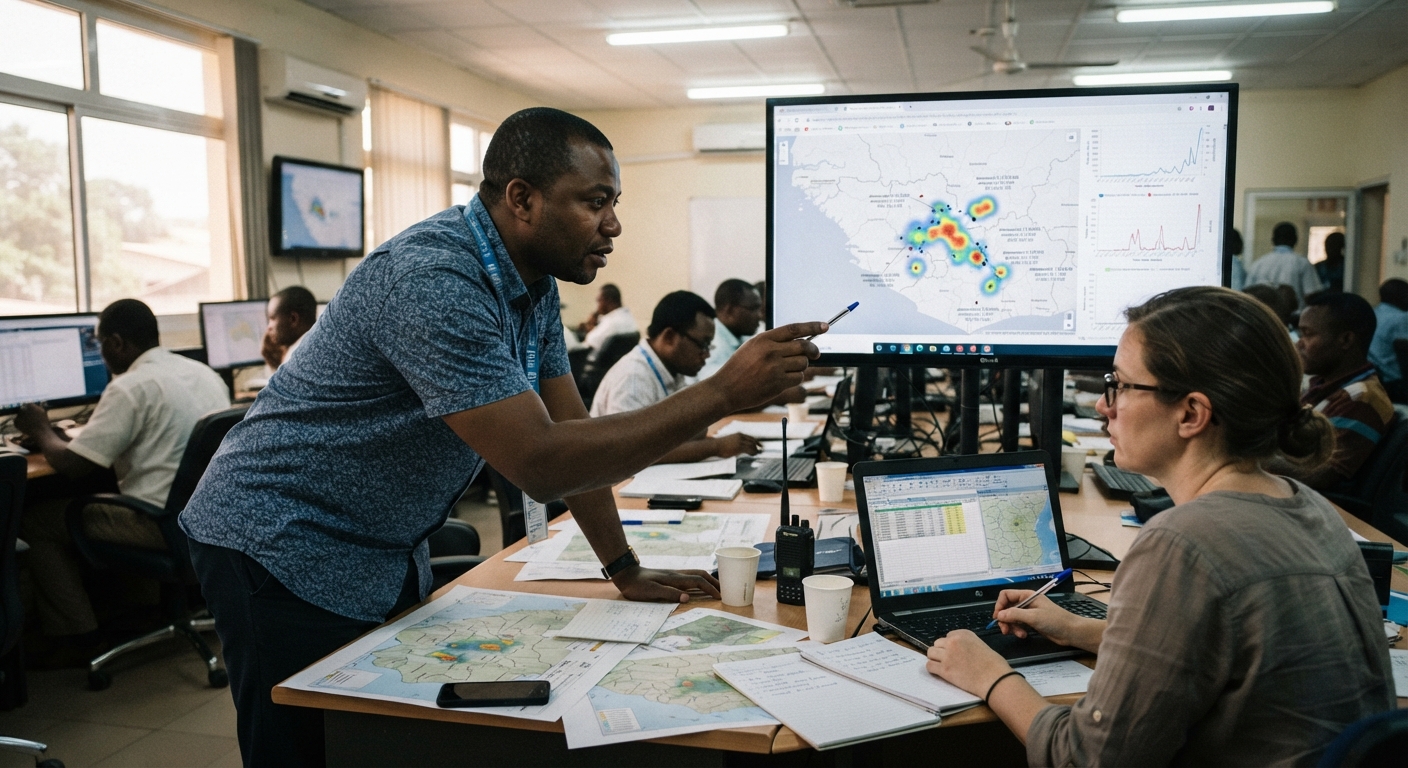
Digital Traces: How Mobile Data Unmasked Ebola's Silent Start
New research uses mobile phone data to map the early, undetected spread of Ebola in the DRC, offering critical insights for global disease surveillance and…

Beyond the Algorithm: AI Uncovers the Soul of Longevity
VitalityPulse uncovers how advanced AI synthesis points to a holistic, intrinsic drive for thriving as the true secret to long-term health and well-being.

Global Health Innovation: A Hidden Threat in Shifting Academic Sands
A significant drop in international science and engineering students in the US raises concerns for future health and longevity breakthroughs worldwide.…

Closer to Home, Closer to Health: Asia's Rising Appeal for Global Scholars
A growing trend sees students choosing Asia for higher studies, citing benefits like cultural familiarity, robust support, and thriving research environments…

The Daily Nibble: How a Common Snack Could Fortify Aging Brains
A new study suggests that incorporating certain popular snacks into your daily diet may help support cognitive function in older adults. Learn more from…

Ocean's Silent Masters: Kelp's Astonishing Reproductive Adaptability
Discover how kelp adapts its reproduction strategies, from asexual survival to sexual pairing, revealing nature's profound genetic flexibility and resilience.