
Ebola's Enduring Threat: A Global Call for Preparedness and Progress
A UK doctor's Ebola case highlights global health readiness. Learn about the DR Congo outbreak, new vaccine trials, and why international vigilance is critical for everyone.
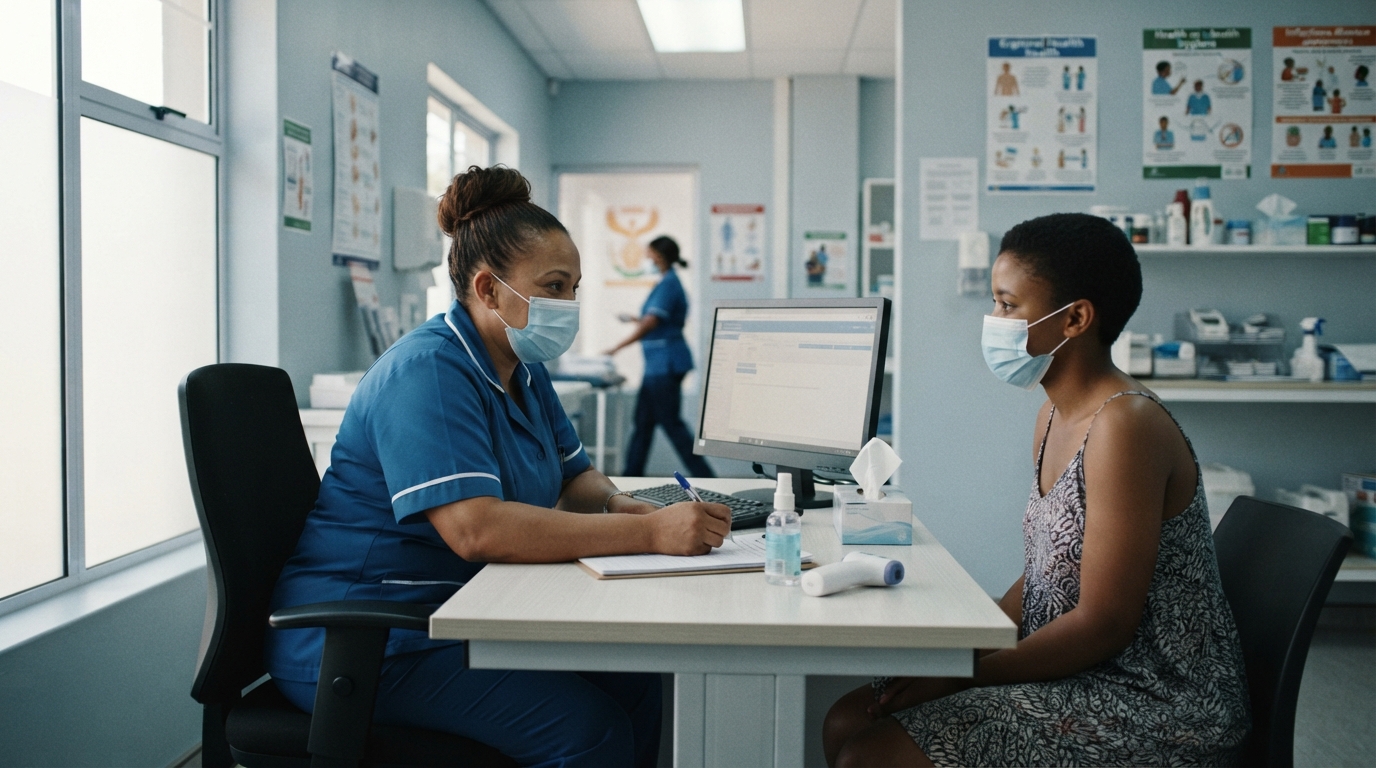
The recent medical evacuation of a British doctor, who contracted Ebola in the Democratic Republic of Congo (DRC) and is now receiving highly specialized care in London, underscores the persistent global challenge posed by infectious diseases. While the rapid, coordinated response demonstrates advanced healthcare capabilities in countries like the UK, it also casts a spotlight on ongoing, intense battles against the virus in its endemic regions.
Navigating a High-Stakes Transfer
The unidentified UK national, working on the frontlines in the DRC, tested positive for Ebola and was swiftly transported via a medical evacuation flight to the Royal Free Hospital. This facility, renowned for its expertise in infectious diseases, previously managed similar cases during the 2014-2015 West African outbreak. Public health authorities, including the UK Health Security Agency (UKHSA), have affirmed that stringent protocols are in place, ensuring the risk to the wider public remains exceptionally low.
Understanding the Ebola Virus
Ebola Virus Disease (EVD) is a rare but severe and often fatal illness. Transmitted through direct contact with the blood or bodily fluids of an infected person or animal, it is not airborne. Initial symptoms can include fever, fatigue, muscle pain, headache, and sore throat, rapidly progressing to vomiting, diarrhea, rash, impaired kidney and liver function, and, in some cases, internal and external bleeding. The current outbreak in the DRC is driven by the Bundibugyo variant, making early detection and isolation critical for survival and containment.
The DRC's Continuing Struggle
The current Ebola outbreak in the DRC represents the second most deadly recorded, with over 10,000 confirmed cases and more than 5,000 deaths since its onset. The fatality rate has been reported close to 50%. The challenges of containing such an outbreak are immense, often exacerbated by geopolitical instability, limited infrastructure, and difficulties in reaching affected populations, particularly in remote or conflict-affected areas. Confirmed cases have also been reported in neighboring countries like Kenya, Nigeria, and Uganda, highlighting regional spread.
Scientific Frontiers: New Hope on the Horizon
Amidst the ongoing crisis, scientific research offers a beacon of hope. While no approved vaccine specifically targets the Bundibugyo variant yet, the World Health Organization has endorsed adding two new candidate drugs—developed by the University of Oxford and the Serum Institute of India, and by Moderna—to an ongoing clinical trial. This marks a pivotal moment, as it will be the first time vaccines designed specifically for Bundibugyo are tested during an active outbreak, potentially revolutionizing the fight against this specific strain of Ebola.
The Global Angle
This incident, and indeed the broader DRC outbreak, serves as a powerful reminder of our interconnected world. Infectious diseases know no borders. The rapid, coordinated response to evacuate and treat the UK doctor exemplifies the critical importance of international collaboration, robust global health security frameworks, and sustained investment in research and development. For a global audience, this highlights that public health isn't merely a local concern; it requires continuous vigilance, shared resources, and collective action to safeguard everyone's well-being. Supporting countries like the DRC in strengthening their health systems is not just an act of altruism but a vital component of global biosecurity.
Key Takeaways
- Global Preparedness is Key: Rapid international response and established protocols are crucial for managing cross-border health crises.
- Ongoing DRC Outbreak: The Democratic Republic of Congo faces a significant challenge with the Bundibugyo variant, prompting widespread efforts.
- Promising Vaccine Trials: New vaccine candidates specifically targeting the Bundibugyo variant are entering clinical trials, offering hope for future control.
- Risk to Public is Low: Outside active outbreak zones, the risk to the general public remains low due to stringent public health measures.
Source: BBC Health