

The Silent Health Threat: Unpacking Loneliness and Its Impact on Well-being
New research highlights how social disconnection impacts mental and physical well-being. Discover practical strategies to foster connection and improve your…
In an increasingly connected yet often isolating world, the profound impact of loneliness on our health is gaining critical attention. Recent research, initially spotlighting student populations, offers a stark reminder that social disconnection isn't just an emotional state—it's a measurable public health concern with far-reaching consequences for both mental and physical vitality. At VitalityPulse, we delve into the evidence behind this hidden epidemic, translating complex findings into practical guidance for a more connected and healthier life.
The Health Toll of Isolation
While the latest studies often focus on young adults navigating new environments, the physiological and psychological ramifications of loneliness extend across all age groups. Evidence suggests that chronic loneliness can elevate stress hormone levels, such as cortisol, which, over time, may contribute to systemic inflammation—a known risk factor for various chronic diseases, including cardiovascular conditions and type 2 diabetes. Furthermore, social isolation is frequently linked to poorer sleep quality, impaired immune function, and an increased risk of mental health challenges like anxiety and depression. It's a feedback loop: feeling isolated can make it harder to engage, further entrenching the sense of loneliness.Cultivating Connection: Individual Pathways
Combating loneliness requires intentional effort, both individually and collectively. For individuals, proactive steps can include:- Active Participation: Joining clubs, volunteer groups, or fitness classes that align with your interests. Shared activities naturally foster bonds.
- Mindful Digital Engagement: While social media can offer superficial connection, prioritize face-to-face interactions or meaningful video calls. Consider digital detox periods to encourage real-world engagement.
- Reaching Out: Simple gestures like calling a friend, checking on a neighbor, or initiating conversations can break down barriers. Remember, many people feel similarly.
- Community Involvement: Engaging with local initiatives, whether it's a neighborhood clean-up or a local sports league, can build a sense of belonging.
The Global Angle
Loneliness is not confined to any single demographic or region; it is a universal human experience with unique manifestations globally. In rapidly urbanizing areas, traditional community structures may erode, leading to increased isolation. In developed nations, aging populations face particular challenges with social networks diminishing. The economic ramifications are also significant, impacting productivity, healthcare expenditure, and overall societal cohesion. Understanding loneliness as a global health determinant allows us to develop culturally sensitive interventions and foster policies that prioritize social infrastructure, from accessible public spaces to community support programs, vital for collective well-being worldwide.Key Takeaways:
- Loneliness is more than an emotion; it's a significant public health issue with measurable impacts on both mental and physical health.
- Chronic social isolation may elevate stress hormones, contribute to inflammation, impair immune function, and increase risks for chronic diseases and mental health conditions.
- Individuals can proactively foster connections through active participation in groups, mindful digital use, and deliberate outreach.
- Communities and institutions globally play a crucial role in creating environments that encourage genuine social engagement and combat widespread loneliness.
Source: Google News · health research

Health Horizons: Unveiling Tomorrow's Wellness Innovations
Explore cutting-edge medical equipment and health products showcased globally. Discover smart tech, personalized wellness, and longevity innovations for a…

Integrated Care Reshapes Cancer Treatment: A Global Outlook
Explore how integrated, multidisciplinary cancer centers are transforming treatment and access to advanced therapies, offering new hope for patients worldwide.

The Shadow of Distrust: Why We're Losing Faith in Food Science
Explore why trust in nutrition science is eroding and learn how to discern reliable health information. VitalityPulse helps you cut through the confusion for…

A Clearer Horizon: Emerging Research Eyes Simple Aid for Cancer-Related Cognitive Impairment
Emerging research suggests a simple supplement may help alleviate cancer-related cognitive impairment. Learn about its potential and what it means for…

Scaling New Heights: How a 63-Year-Old Found Purpose and Peak Vitality on Everest
Discover how a 63-year-old transformed grief into grit, conquering Mount Everest. Learn about her 4-part training and the power of active aging for a vital…
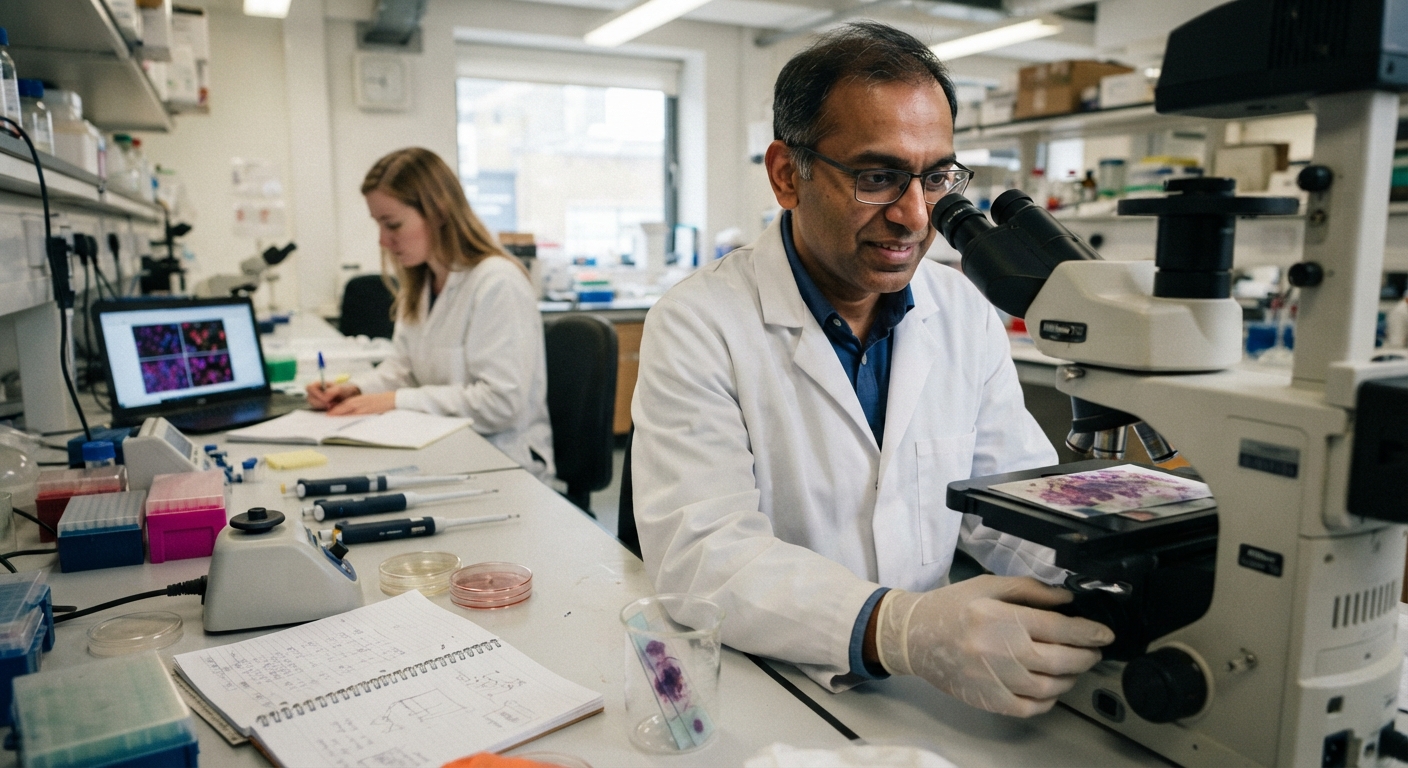
Glimmer of Hope: Novel Therapy Eradicates Deadly Brain Tumors in Preclinical Trials
A new preclinical study shows a novel therapy completely eliminated deadly brain tumors in all treated mice. Explore this promising breakthrough and its future

CRISPR's Precision Strike: A Single Treatment for Lifelong Lipid Control?
Explore groundbreaking CRISPR gene editing research targeting ANGPTL3 for durable lipid lowering. A potential single-course treatment for high cholesterol and…